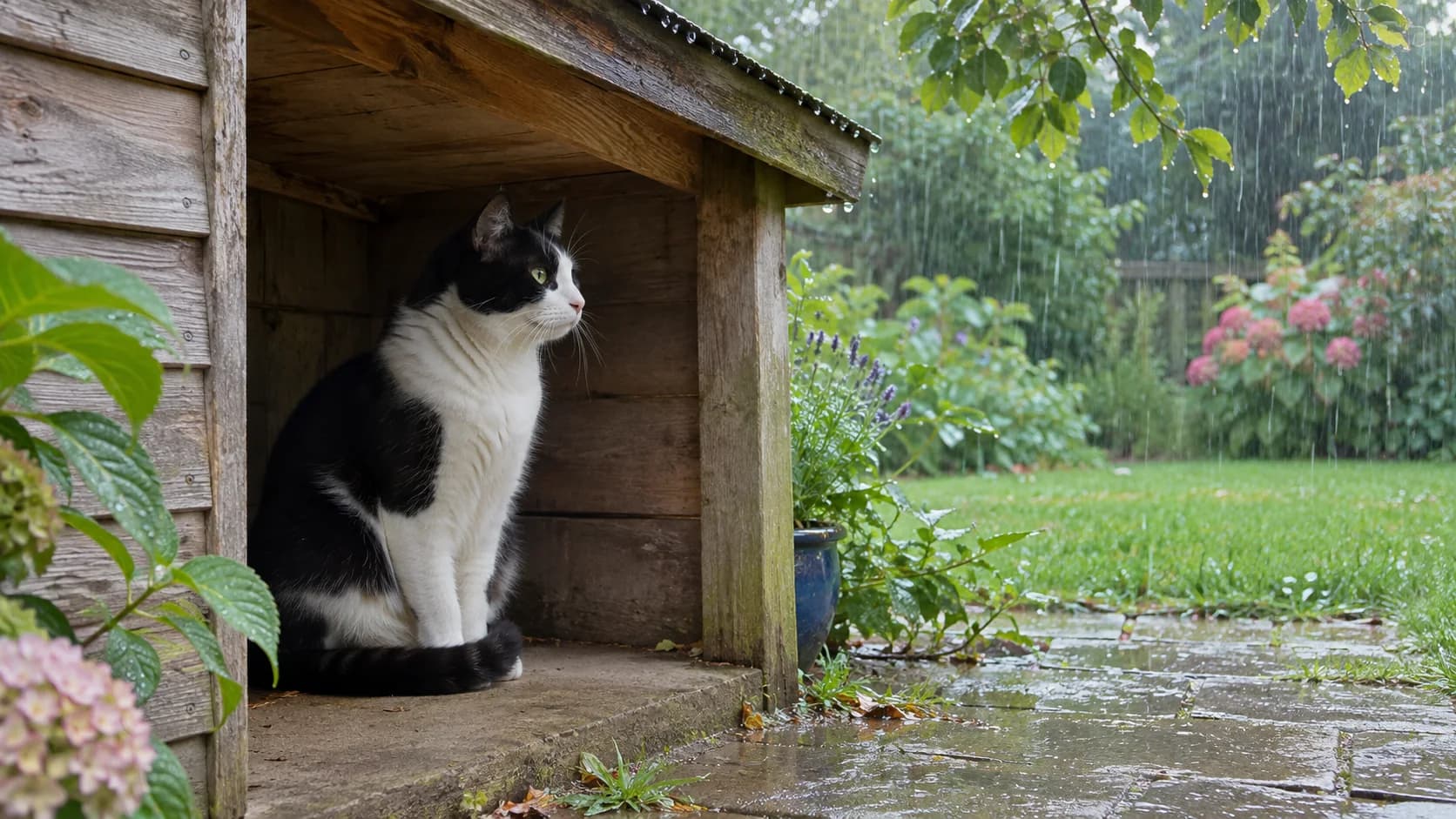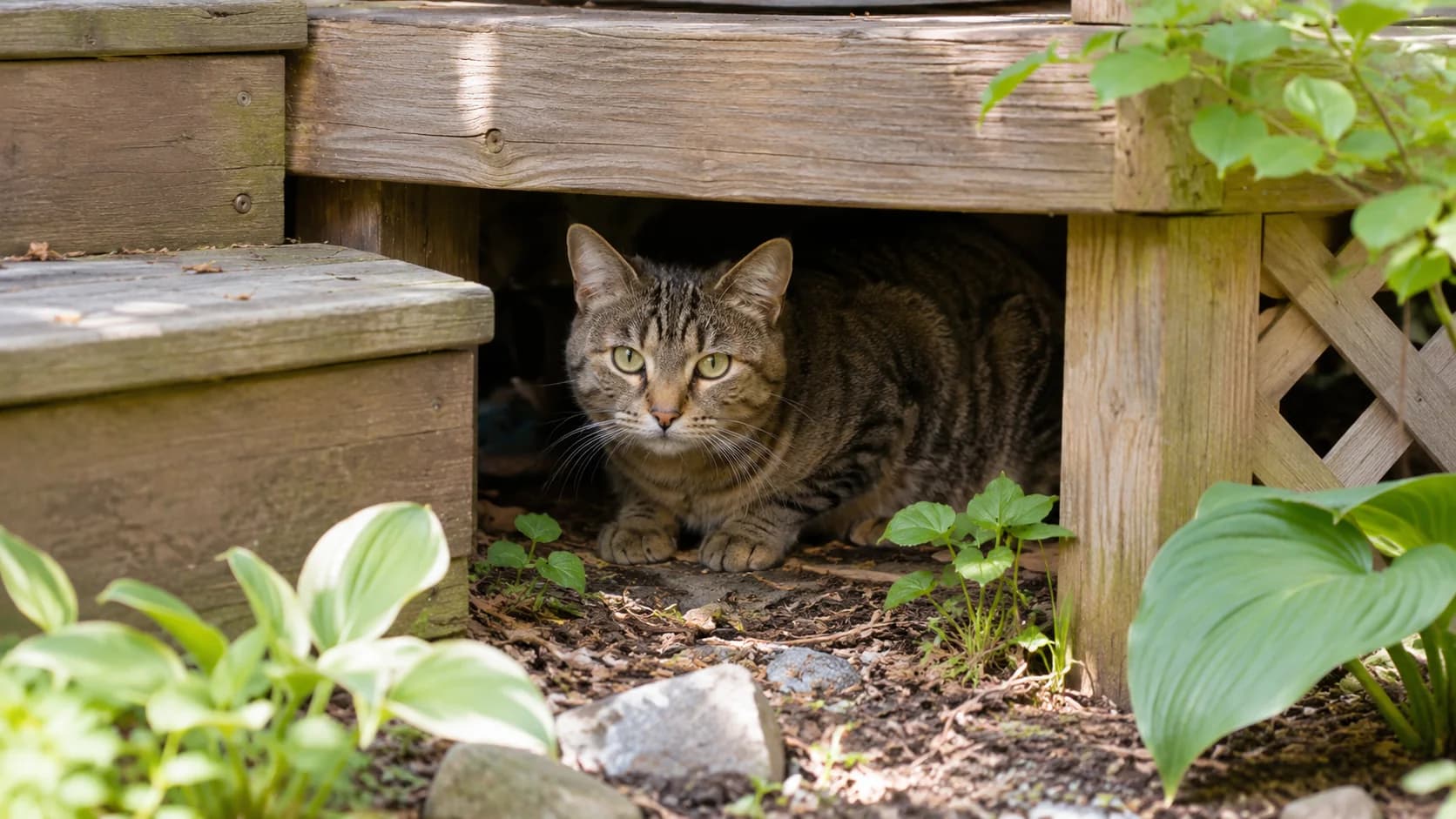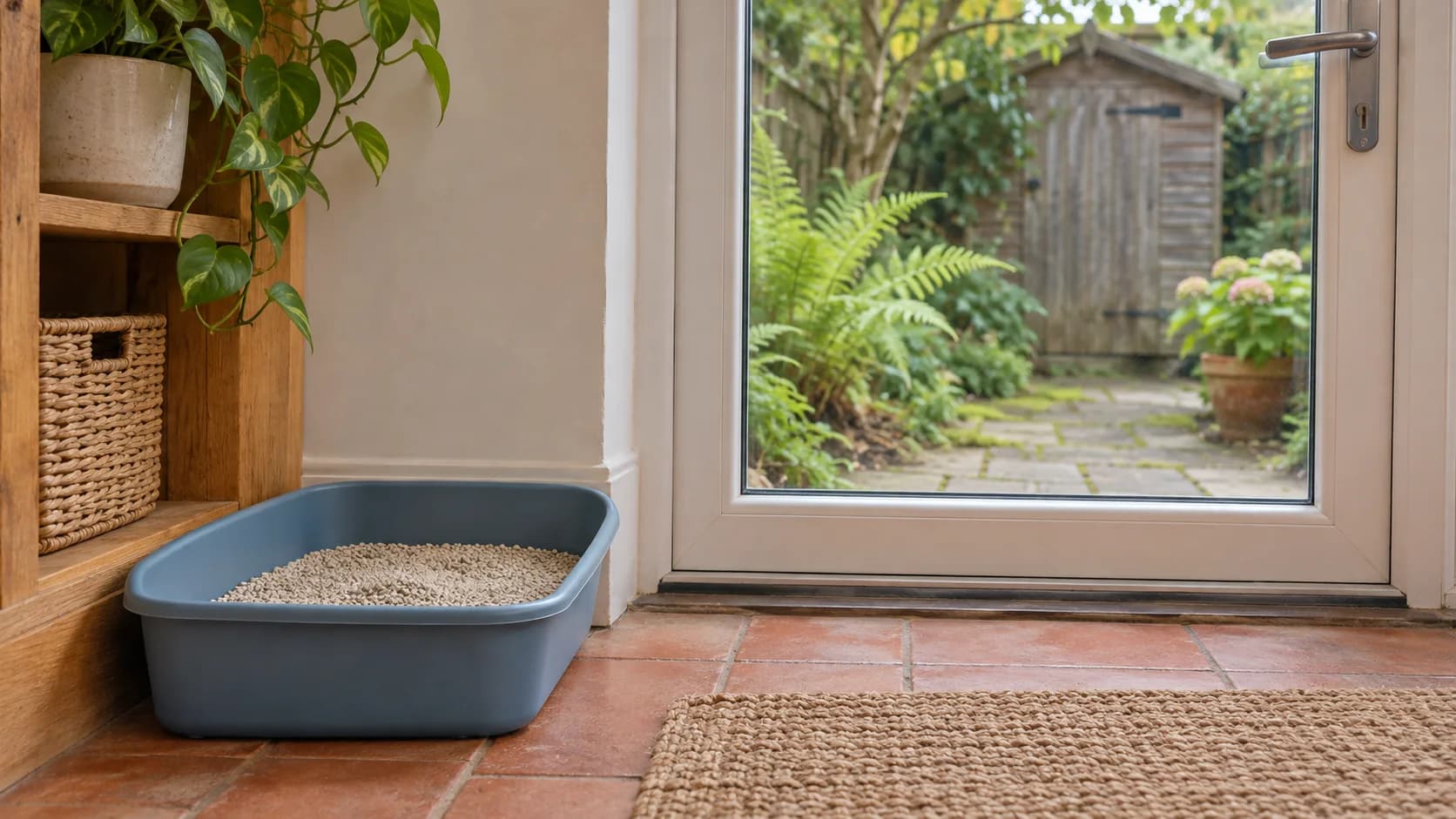
Leave the litter box indoors and start looking where your cat was last seen. If they slipped out of the back door, look under the steps and ask the neighbour on the other side of the fence to open their shed. Even a familiar scent can do little for a cat behind a closed door.
Why do rescue groups give different advice about used litter?
The UK charity Cats Protection lists used litter as one of several familiar smells an owner could try while searching. It also suggests unwashed bedding. If you want to leave something familiar by the door, a blanket your cat sleeps on is a simple option. Cats Protection’s lost-cat checklist
The Missing Animal Response Network advises keeping used litter indoors. Its concern is that the smell might draw a territorial cat into the very garden where your cat is hiding. The group describes this as a possibility based on recovery experience. How often it happens is unknown. Missing Animal Response Network’s explanation
Can a lost cat smell its litter box from a mile away?
There is no established distance at which a lost cat can follow a litter tray home. A story about a cat turning up the night someone put the box out tells us when the cat returned. It leaves open what brought them back. Using a mile as your search radius could lead you straight past a hiding place under your own porch.
One clue worth acting on comes from a study of missing cats. When owners described finding their cats outside, common hiding places included the underside of a porch, a parked car and objects close to the house. The researchers asked people to recall past searches. The study gives you places to look, but it did not measure how far a cat could smell litter. Huang and colleagues’ missing-cat study
What if the litter box is already outside?
Bring it back in. If you have a doorbell or garden camera, save any clips from the time the tray was outside. Paw prints in the litter tell you an animal visited. A clip showing your cat’s white front paw or kinked tail can tell you which animal visited, when it passed and which way it went.
If you recognise your cat, share the time and direction with the person helping you search. If the clip is too dark to identify the visitor, keep the last confirmed sighting as your starting point. A quiet night at the door still leaves the rest of the garden to check.
Where should I look while someone watches the door?
- If you saw your cat slip outside at home, start at that exit. Crouch where you can safely see under steps and into shrubs. A frightened indoor cat may stay silent when called. Indoor cat escape checklist
- If nobody saw your cat leave, check behind closed doors indoors first. Then ask the neighbours whose gardens meet yours to look inside any shed or garage they opened that day. A useful question is “Could you open the shed and look behind the boxes while I wait here?” Places scared cats hide
- If the carrier opened away from home, mark the exact spot on a map and tell the people who manage the site. Someone checking under the parked cars at the clinic can see things you would miss by watching your doorstep. Guide to a carrier escape away from home
While you look, a helper can call local shelters and vets and share a photo with neighbours. Give everyone one place to send the time, location and photograph of a possible sighting. Create a free missing-pet report or follow the full lost-cat search plan.