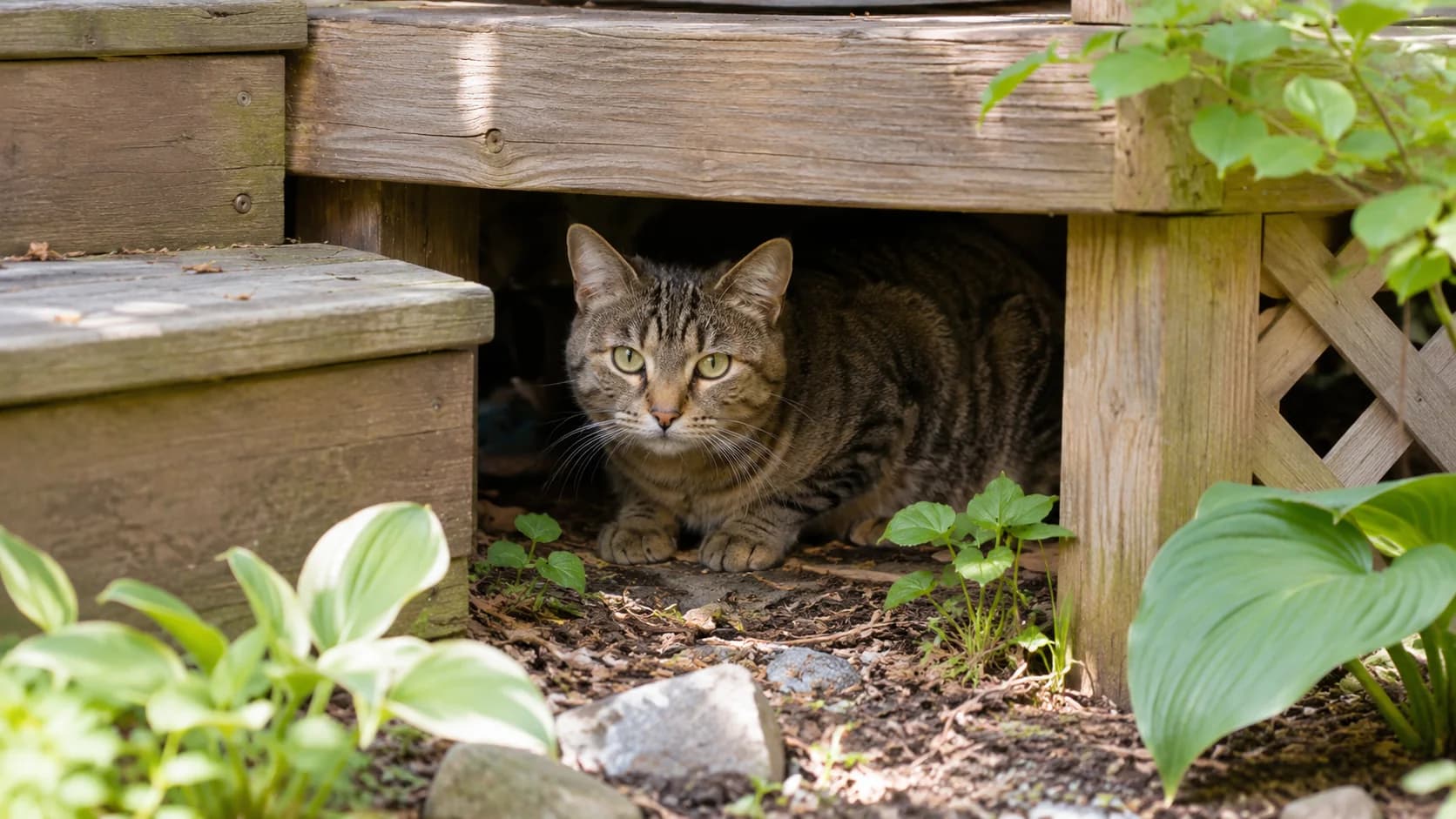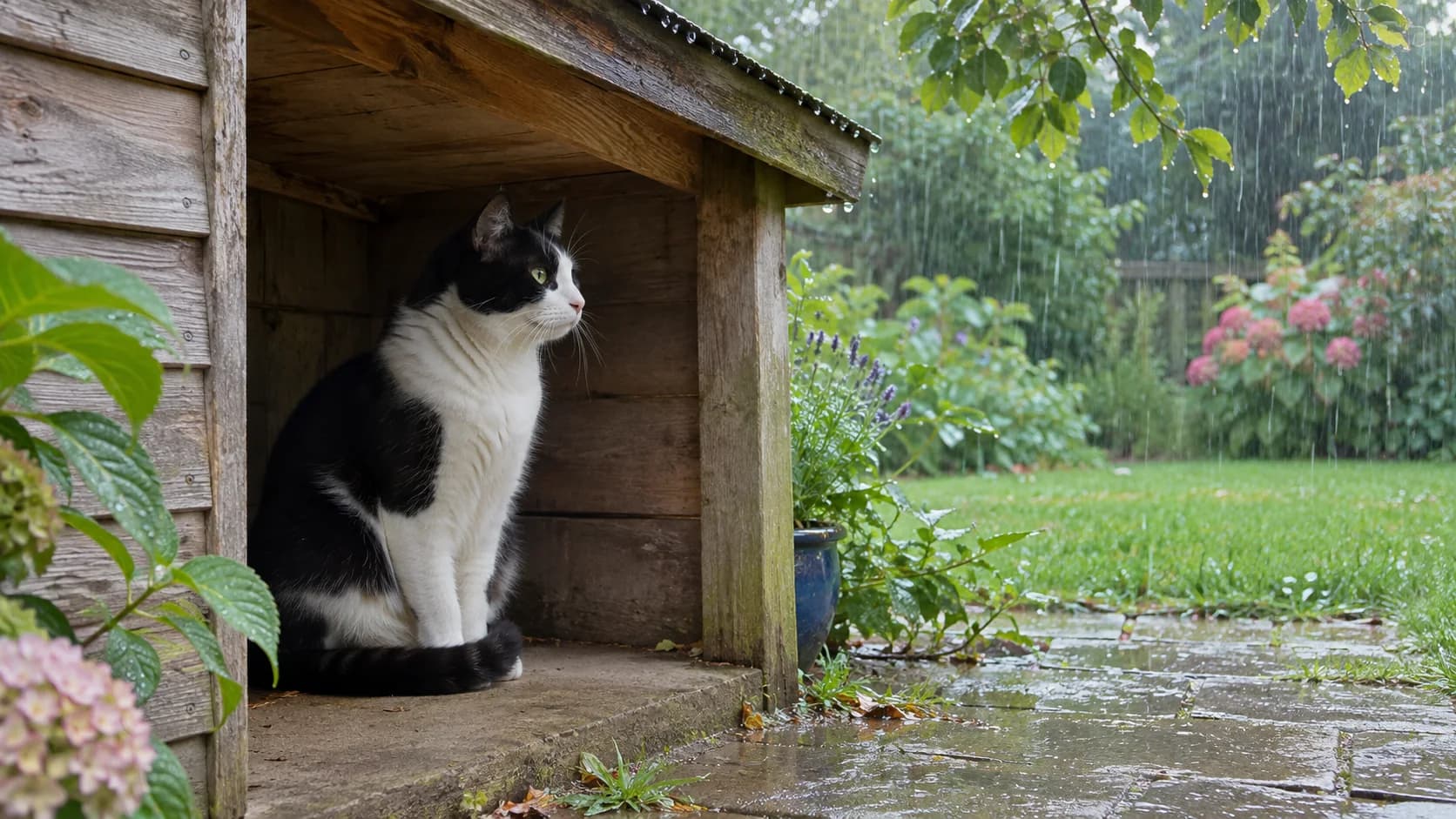
There is no single number of days a cat can safely survive outside. Access to water, food and shelter, the weather, injury and existing health needs all matter. A cat may be found after a long absence, but that does not show that being outside without care is safe. Start searching now rather than waiting for a survival estimate.
If your missing cat is very young, elderly, unwell or dependent on medication, tell your vet and the people helping immediately. If you have already found them and they are struggling to breathe, collapsed or severely weak, contact an emergency vet now. Cats Protection's first-aid guidance can help you recognise when to call.
Time missing is not the same as time without food or water
An owner usually cannot know what a missing cat has eaten, drunk or encountered. A cat could be shut inside a dry garage, visiting another household or moving between sheltered spaces. Those are different situations, even if each cat has been missing for two days.
Treat these as unknowns to investigate. Ask residents about actual observations: when a door was last open, whether they have seen a matching cat, and whether a photograph or camera clip is available. Avoid turning “someone puts food out nearby” into proof that your cat has eaten.
Keep three separate notes:
- Confirmed: information someone directly observed, with a date and time.
- Possible: a lead that needs checking, such as an unidentified cat on a camera.
- Unknown: food, water, shelter or health status that nobody has verified.
This helps you explain the situation accurately to a rescue organisation or vet without assuming either the best or the worst.
How long can a cat go without food?
Do not use a maximum survival figure to decide when to act. Cornell's Feline Health Center warns that an adult cat's health can be severely affected by not eating for as little as 24 hours; younger kittens can be at risk sooner. This is a reason to seek veterinary advice promptly, not a safe waiting period.
If a returned cat is refusing food, explain the absence and their current behaviour to a vet. Do not assume they are simply tired or will eat when hungry enough. The cause of not eating also needs assessment.
For a cat still missing, prioritise access to places where they might be shut in. If you identify a regular visiting spot, ask a local recovery organisation how to arrange monitored food and camera observation. Food disappearing from a bowl alone does not confirm your cat is there.
What about going without water?
Water loss and inadequate intake can lead to dehydration. Cornell lists lethargy, weakness, poor appetite and dry mucous membranes among possible signs, and recommends contacting a vet promptly if dehydration is suspected. Illness can increase the risk.
There is no useful universal “safe number of days” to apply to a missing cat. You cannot assess hydration from the time missing, and seeing a puddle near a hiding place does not prove the cat has been drinking.
When you find them, make fresh water accessible if they can drink normally and call a vet about any concerning signs. Do not force water into a weak or struggling cat's mouth. Ask the vet for instructions while arranging care.
How weather and shelter change the risk
Cold and wet conditions: a coat does not make a cat immune to exposure. Cats Protection identifies kittens, elderly cats, unwell cats and hairless cats as more vulnerable to cold. Weakness, trouble walking or reduced responsiveness after cold exposure need urgent veterinary attention. There is no single outside temperature that makes every cat safe for a whole night.
Heat and enclosed spaces: Cats Protection warns about overheating when cats become trapped in hot, poorly ventilated places such as sheds or greenhouses. Panting, confusion or collapse in hot conditions are emergency signs. Contact a vet immediately for first-aid and transport advice.
The practical implication for a search is to ask for checks of enclosed spaces promptly, with the owner's permission. Do not assume a cat can leave simply because the building looks easy to enter.
Which places should you check first?
Use what you know about the disappearance to choose the next jobs. This is a planning worksheet, not a way to calculate survival:
| Information you have | Action to prioritise |
|---|---|
| A shed or garage was open near the last sighting | Ask the keyholder to open it and inspect inside |
| Your cat needs regular medication | Call your vet for advice and give helpers clear contact instructions |
| A camera shows a possible match | Check markings and timestamp; arrange safe observation with the property owner |
| The weather is very hot or cold | Tell recovery helpers about the conditions and seek checks of relevant sheltered or enclosed spaces |
| Nobody saw the cat leave home | Inspect indoor hiding places and appliances before they are used |
| A cat is visible but cannot move or be reached safely | Contact a vet, local animal service or appropriate rescue organisation; describe both the condition and location |
Use our hiding-place checklist for physical checks and the main lost-cat guide for reporting and local contacts. If several people can help, assign calls and searches separately so both happen at once.
What to tell a vet when your cat is found
Have a short factual handover ready:
My cat was last seen well at [time/date] and was found at [time/date] in [setting]. Their access to food and water is [known details/unknown]. They are now [describe breathing, movement, alertness and appetite]. They normally take [medication and last known dose]. What should I do before bringing them in?
Also mention suspected injury, possible exposure to chemicals or anything unusual you witnessed. Keep the cat safely contained for transport and follow the clinic's advice. Do not give human medicines, double a missed dose or attempt force-feeding without veterinary instructions.
You do not need to diagnose dehydration, hypothermia or heatstroke yourself before calling. Describe what you see and let the vet decide the urgency.
Common questions about cats surviving outside
Can an indoor cat survive outside overnight?
Some are recovered after a night outside, but an overnight absence is not automatically safe. You cannot know the individual cat's exposure or access to essentials. Start the indoor-cat escape plan immediately and arrange local help if needed.
Can a cat survive outside for a week?
It is possible, but a week missing does not establish whether a cat has been outdoors, fed by someone or confined. Keep following leads and use our search review after a week. A survival estimate should not become a reason to stop looking.
Does rain mean my cat has enough water?
No. Rain does not confirm access to drinkable water or adequate intake. Record hydration as unknown unless you have useful direct information, and seek veterinary advice if your returned cat seems unwell.
Should I keep looking if there have been no sightings?
Review incomplete checks, contact local services again and keep your appeal current. A free missing-cat report gives people a consistent place to recognise your cat and find your contact details. For the question of returning home, read Will my cat come back?.