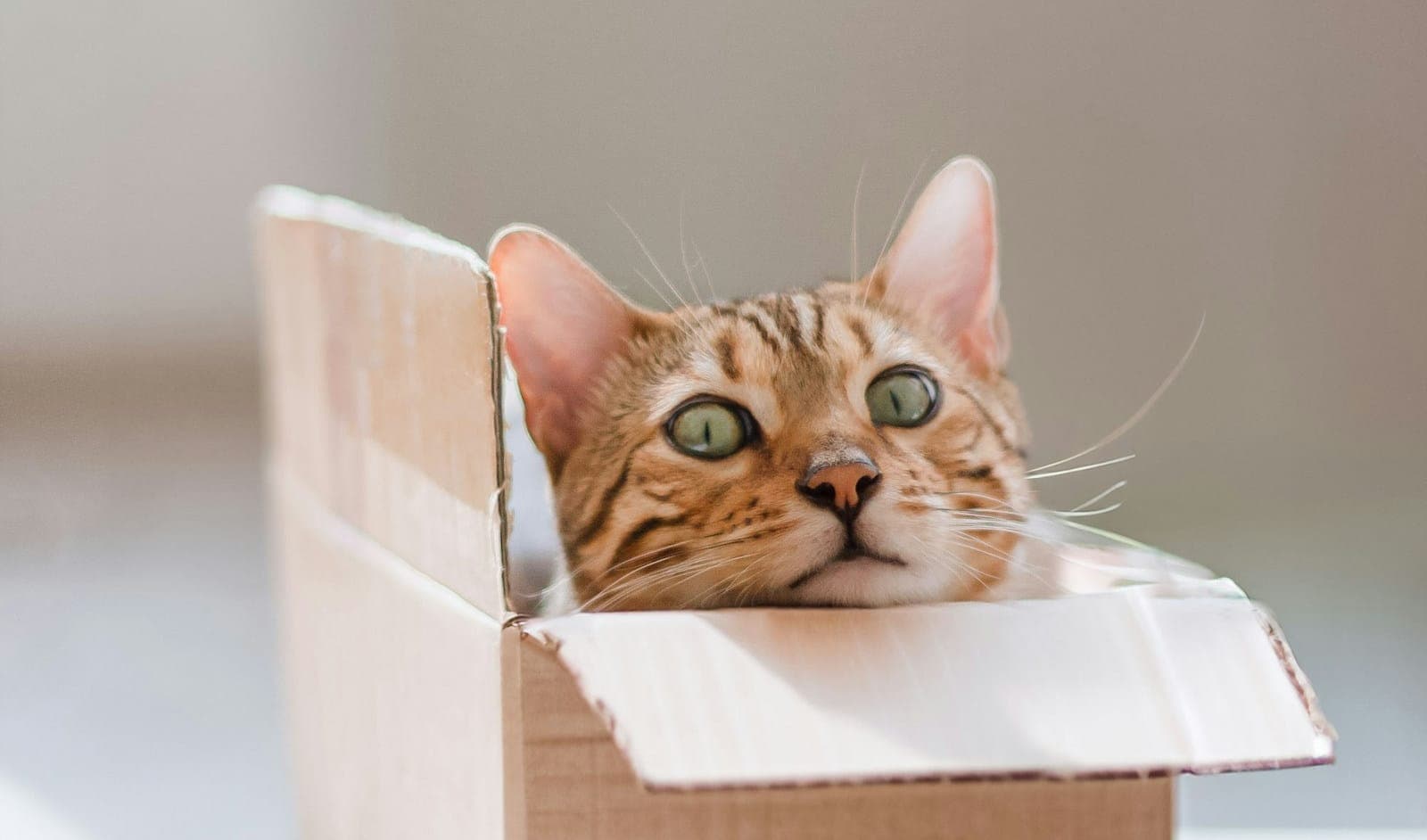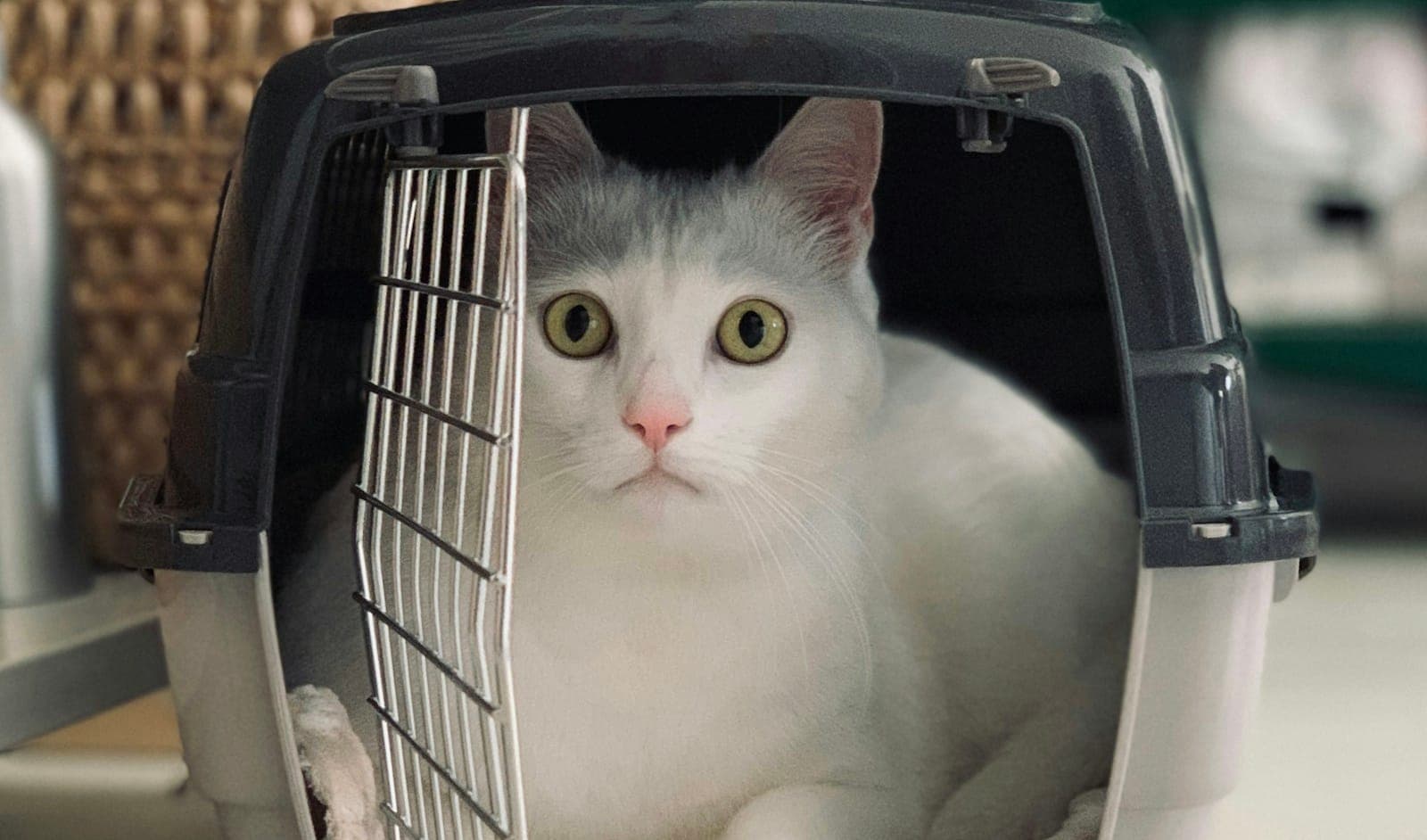
If a cat escapes a carrier at a vet, car park or travel stop, organise the search around the actual escape point and notify the people responsible for the site immediately. Do not assume the cat knows a route home.
The Missing Animal Response Network's lost-cat guidance distinguishes cats displaced into unfamiliar territory from cats missing within a familiar routine. That difference matters when deciding where to begin.
Preserve the exact last-seen details
Record where the carrier opened or failed, where the cat went and the last point at which anyone saw it. Save a map pin and a written description, such as “rear clinic entrance, beneath the hedge beside the delivery bay.”
Write down the time, direction and any collar or harness. If several people were present, ask each what they actually saw. Do not merge uncertain observations into a single confident route.
Keep the carrier available if it can be made secure, but do not continue using broken catches or damaged panels for transport.
Tell the site team what help you need
At a veterinary practice, notify reception and the clinical team. At accommodation, a station or a managed car park, contact staff or security.
Ask about:
- Safe access to the immediate area and nearby enclosed spaces.
- Staff who can check buildings, service rooms or deliveries.
- Available footage and its retention, through the authorised operator.
- Where a notice may be displayed.
- A direct contact for any sighting and out-of-hours access questions.
Do not enter service yards, tracks, machinery spaces or restricted rooms yourself. Staff may need to coordinate access or contact another responsible organisation.
Search accessible hiding places calmly
A frightened cat may remain concealed and may not answer. Humane World for Animals recommends close physical checks and notes that cats lost in unfamiliar places can be too frightened to respond.
Work from observed facts and agreed access. Ask occupiers to inspect places you cannot enter. Keep voices and activity calm rather than assembling a crowd at every possible hiding spot.
A checklist for the site:
| Place | Who controls access? | Checked when? | Result or pending action |
|---|---|---|---|
| Escape-point surroundings | Site contact | Time | Notes |
| Nearby enclosed room or outbuilding | Named staff member | Time | Notes |
| Adjacent private property | Occupier | Pending / time | Permission status |
Do not treat an unseen area as cleared because someone called from its entrance.
Report the disappearance locally
The clinic that was your destination may know your cat, but a finder could use a different practice or shelter. Contact services covering the escape location and share a clear photo.
Check the microchip record and explain that the pet is missing away from home. Make sure the phone number will work where you are.
In your public report, distinguish the last-seen area from your home address. An appeal centred on your home can send local helpers to the wrong place.
If the cat is seen but cannot be recovered
Record the time and precise position. Do not chase the cat into traffic or reach into a dangerous hiding place.
Ask a local rescue, animal service or experienced recovery organisation to help plan the next step. Any camera or humane-trapping arrangement needs the landholder's permission, suitable monitoring and a person responsible for it. Avoid setting equipment and then leaving the area without a handover.
Tell staff who is coordinating recovery so separate helpers do not disrupt one another's work.
Arrange a local handover if you must leave
Before travelling away, agree who can receive sightings, access the site and assist with a verified recovery. Give that person the timeline, current photographs and your reliable contact details.
Keep permission and transport arrangements explicit. A nearby friend is not automatically authorised to access the clinic's records or collect an animal from a shelter on your behalf.
After recovery, use a sound, properly secured carrier. Cats Protection's travel guidance covers preparing for journeys. Review the failure point before the next trip rather than relying on holding a damaged door shut.