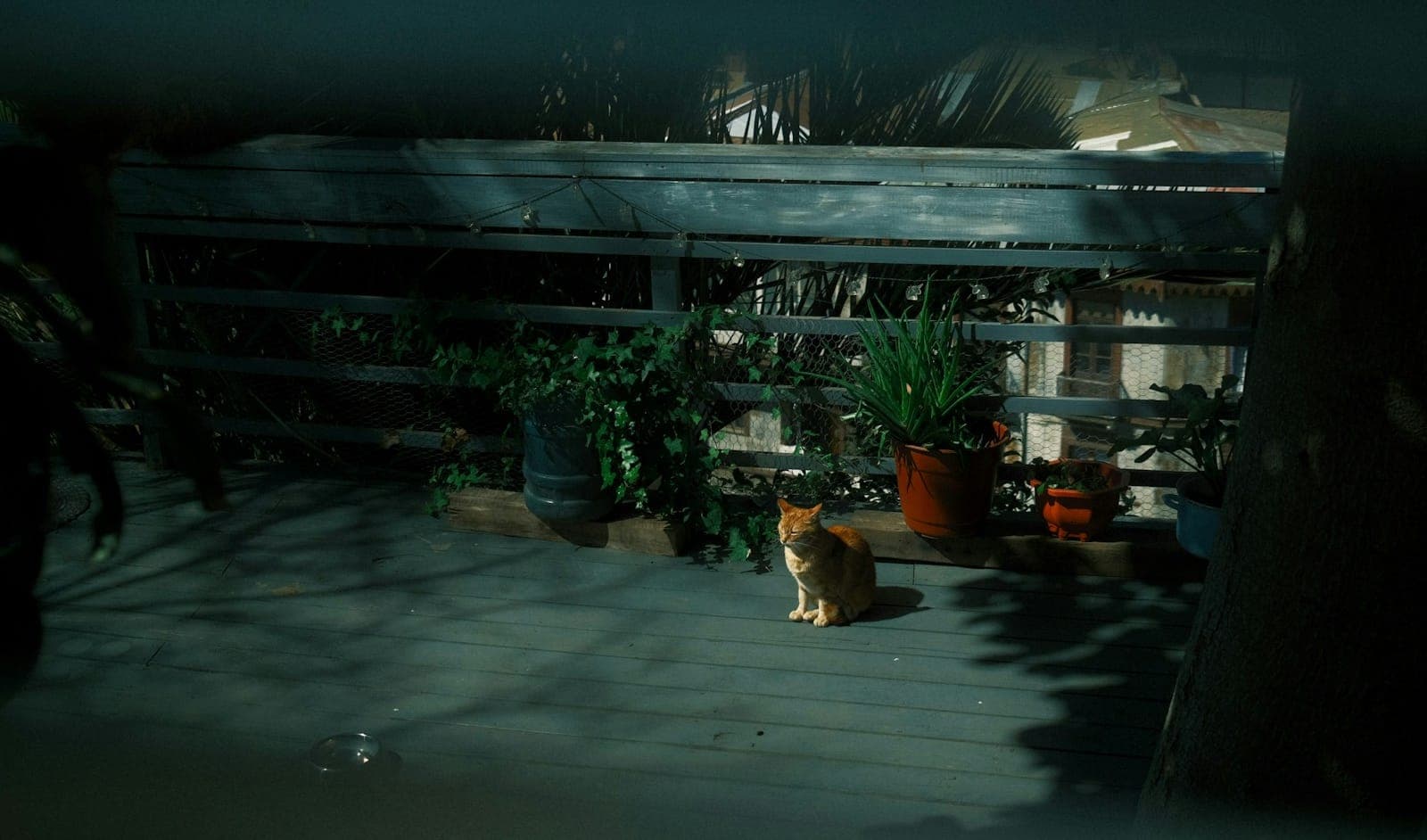
A quieter evening or early morning can give you another opportunity to look and listen for a missing cat. Use darkness as a different observation period, not as a reason to enter unsafe places or postpone the daytime search. There is no single hour that guarantees a result.
Cats Protection suggests calling at quieter times, including early morning or night, allowing pauses for the cat to respond. Build that into a careful check of places you can legally and safely access.
Choose a small area with a reason
Start with the escape point or a credible recent sighting. Review what was actually checked during daylight. A closed garage viewed from the street remains unchecked inside.
For an indoor cat that escaped from home, use the close-search plan. If the cat normally goes outdoors, use the routine and access checklist. A cat displaced after a move needs the two-address plan.
Write one objective for the outing: for example, “inspect the permitted side passage and listen beside the rear garden.” This makes the result easier to hand over than “walked around for hours.”
Arrange permission before it gets late
Ask neighbours during reasonable hours whether they can check sheds, garages and other enclosed spaces. If they agree to your visit, arrange the time and exactly where you may go.
Suggested message:
Our cat is missing near [place]. May we check [specific space] with you at [time]? We will stay within the agreed area and leave it secure. If that does not suit, could you check inside when convenient and tell us what you were able to inspect?
Do not enter a garden simply because a gate is open. Avoid shining lights into windows or directing cameras towards private living spaces.
Pack for observation and a safe return
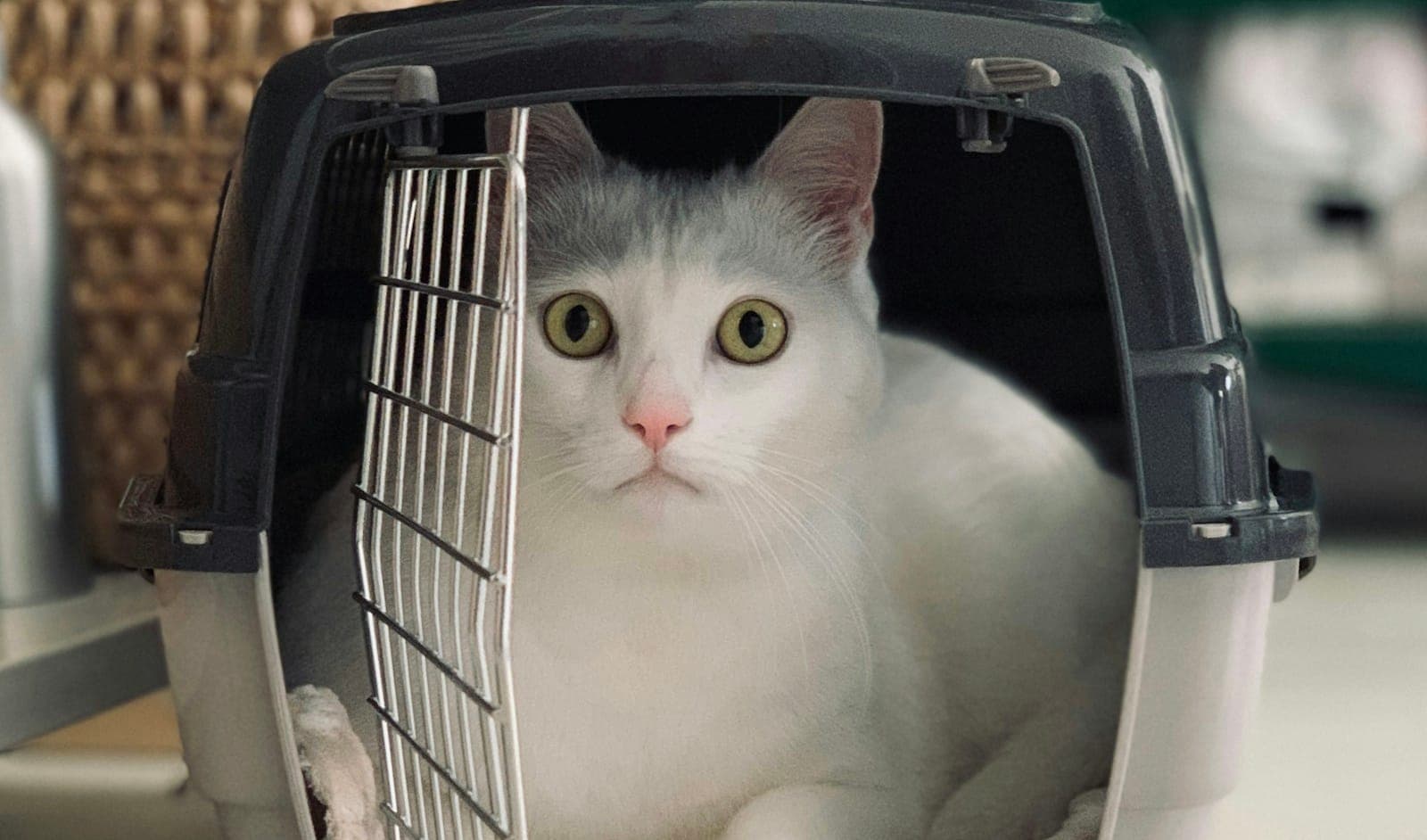
Take a charged phone, torch, suitable footwear and clothing. Tell someone where you are going and when you will return; take a companion where practical. Bring a secure carrier in case a safe recovery becomes possible.
Keep your hands available and your route simple. Avoid roads without safe pedestrian access, railway land, water edges, unstable structures and any closed site. If a possible sighting is in a dangerous place, pass the exact information to the appropriate local service.
A light can help inspect accessible dark spaces, but a reflection alone is not identification. Look for a recognisable animal and record what you actually saw.
Pause, listen and record
Move calmly. If you call, use a normal familiar voice and leave quiet intervals. Repeated shouting and several people calling at once make it harder to hear a response.
Use a short log:
| Place and time | Access or visibility | What happened | Next action |
|---|---|---|---|
| Side passage, [time] | Full permitted access | No cat seen or heard | Recorded |
| Neighbour's shed | Door locked | Interior not checked | Arrange owner check |
| Garden boundary | Partial view | Possible animal, identity unclear | Ask for access or lawful observation |
“No response” does not establish that the cat was absent. A later check under different conditions may answer something the first visit could not.
If you see a cat
First compare markings and size. Note the location and time before doing anything that could lose the observation.
Do not run towards a frightened cat, crawl into a dangerous space or send several people to surround it. If your cat will not approach or is inaccessible, contact a local rescue or experienced recovery organisation for advice on a planned recovery. Cameras or humane traps require permission and a properly supervised arrangement; they are not equipment to deploy and abandon.
Finish with a handover
Send the coordinator the places checked, incomplete checks and any evidence. Keep a reliable contact method available while someone rests.
Continue shelter, veterinary and microchip enquiries during their operating hours. Night searching is one part of the overall cat-search plan, alongside a current public report, neighbour access checks and verified sightings.