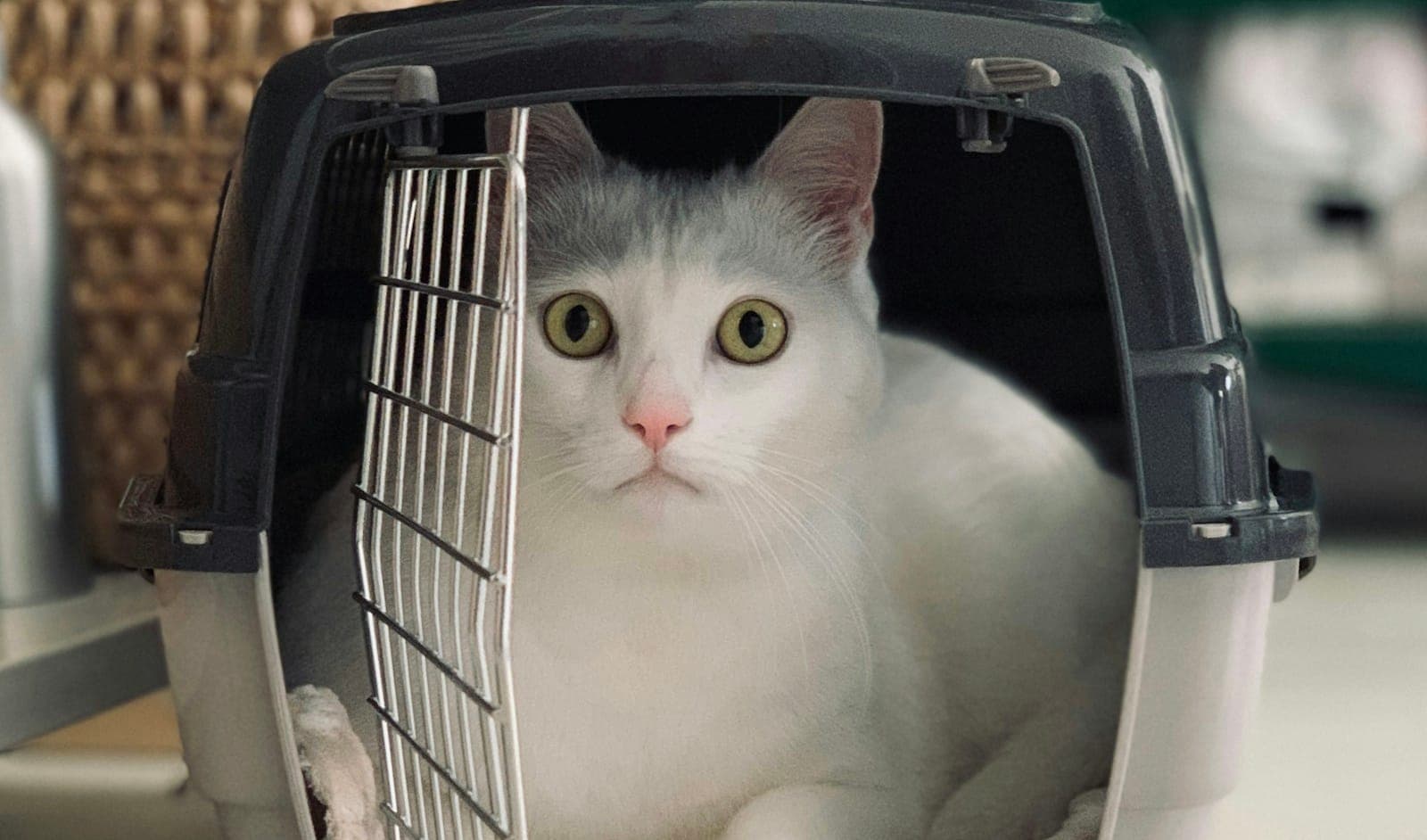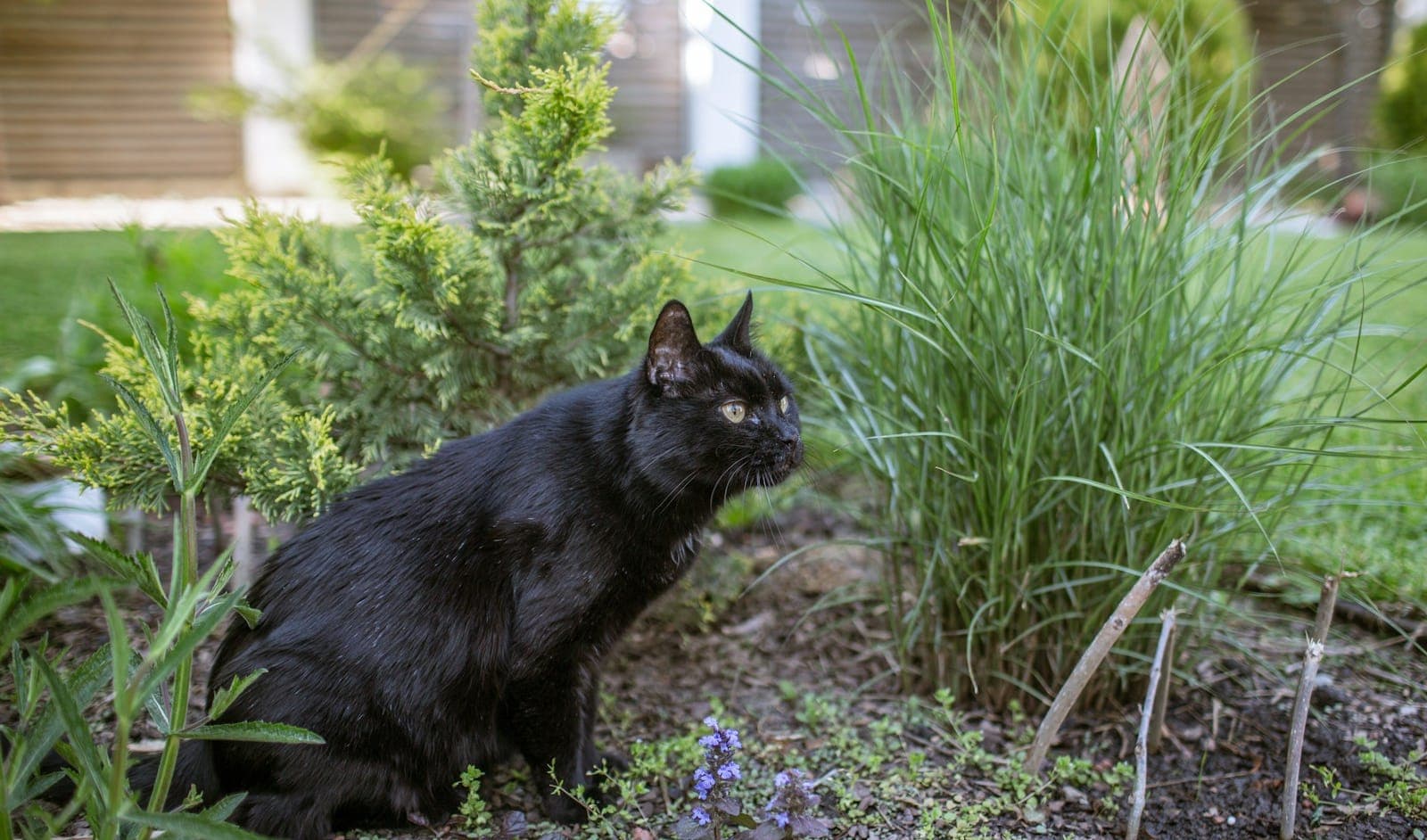
If your outdoor cat has not returned when they normally would, begin checking now. Use their usual routine to identify starting points, then look for evidence of what happened this time. Outdoor experience does not tell you whether your cat is currently safe or able to get home.
Cats Protection advises taking search steps when a cat has been gone longer than is normal for them. There is no useful universal rule to wait 24 or 48 hours. This guide helps you turn a missed routine into a record you and your helpers can work from.
Build a timeline with gaps clearly marked
Start with a few facts rather than a theory about why your cat left. Separate a witnessed event from something that usually happens.
| Question | Record |
|---|---|
| When was your cat last definitely seen? | Date, time, place and witness |
| When were they expected back? | Their usual routine, labelled as an expectation |
| Who has checked the home and garden? | Person, time and areas checked |
| What changed recently? | For example building work, visitors or a different access route |
| Were vehicles or outbuildings open? | Location and someone who can check |
| Are there current sightings? | Exact time, place, description and evidence |
Suppose a neighbour saw your cat at 8 a.m. and you expected them at lunchtime. Those are two different types of information. A later message saying someone saw a similar cat on Tuesday does not become a current sighting just because the message arrived today.
Check enclosed spaces and familiar visiting places
Ask neighbours to open and inspect sheds, garages and other spaces, especially where a door may have been closed since your cat was last seen. Include properties behind your home and across the street. Ask a property manager to check communal storage where relevant.
Do not enter building sites or locked property yourself. Record who can authorise access and when they can check. A request that has been sent is not a completed search.
If you know your cat visits another household, contact that household directly. Ask for the last actual sighting rather than assuming a familiar visiting place explains the absence. The Missing Animal Response Network distinguishes an outdoor cat's interrupted routine from an indoor escape; the circumstances matter more than a generic distance estimate.
Give neighbours a message they can act on
Our cat has not returned home to [area] since [date]. They were last definitely seen at [place/time]. Could you please check your garage, shed and any space that has recently been closed? If you have seen a possible match, please send the date, time and location, plus a photo if available. Contact: [number]. Latest update: [report link].
Avoid labelling the cat stolen, injured or taken away unless you have evidence. A factual appeal leaves people able to report what they saw without trying to fit it to your explanation.
Investigate possible transport only when there is a lead
If there is a credible reason to think your cat entered a vehicle, contact its owner or operator and ask them to check safely. Record the departure time and destinations they can confirm. Do not ask someone to search a moving vehicle or enter machinery.
If a distant sighting arrives, check the photo and timestamp before redirecting all helpers. Keep the close search covered while someone verifies the new information. A single uncertain report should not erase the work still outstanding near home.
Report locally while the search continues
Use the US and UK contact checklist in our lost-cat guide. Ask the relevant local services where found and injured cats from your area are taken, and how to check incoming animals. Confirm your microchip registry contact details and mark your cat missing.
Create or update your Missing Pets report, search found-pet listings, and make a poster. Describe visible features clearly instead of relying only on a breed name.
Keep one main report link in your appeal. When the information changes, put a dated update there, then ask group administrators or helpers to update earlier posts.
Keep a sighting log that separates evidence from guesses
For each lead, record:
- When the animal was seen, not just when the message arrived.
- The precise place and direction of movement.
- What matched your cat and what was uncertain.
- Whether there is a photo, video or direct witness.
- Who will follow up and what they found.
If two messages describe the same photograph, count them as one lead. If a witness cannot remember the day, preserve that uncertainty in your notes. Ask people to report calmly rather than chase or attempt to capture an unfamiliar cat.
Plan the next search period
Choose the next actions from unresolved leads: a locked shed to inspect, a veterinary practice to call again, or footage someone has offered to review. Repeat a search when access or evidence changes, and note why you are revisiting it.
If your cat is being seen repeatedly but cannot be approached safely, seek help from a local rescue or recovery organisation. Give them the log instead of a collection of disconnected screenshots. Do not set an unattended trap or make a capture attempt near traffic.
Questions owners often ask
Could my cat simply be staying somewhere else?
That is one possibility to check, not a conclusion. Ask nearby households for a recent, specific sighting. Continue the other search and reporting jobs while you verify it.
How far should I search?
Begin with known locations and nearby spaces, then expand according to access, sightings and local conditions. There is no distance that can safely rule your cat in or out of an area.
What if we recently moved?
Tell everyone helping that the current area is unfamiliar. A cat used to going outside at a previous home may need the close-search approach described in our indoor escape guide. If practical, alert a trusted contact near the old address without assuming the cat has travelled there.
What should I update when my cat returns?
Notify everyone you contacted, remove posters and mark your report reunited in your reports. Keep any health concerns separate from the search paperwork and ask a vet about them.