If you have found a loose dog, put safety first and contact the service responsible for found dogs in that location. Record where and when you saw them, and check for identification only if it is safe. A dirty coat or a missing collar does not establish that a dog has been abandoned.
The reporting route differs between the US and UK. Use the relevant section below while keeping a record of the dog's location. If your own dog is missing, use our lost-dog search plan instead.
If you cannot safely approach
Do not chase a frightened dog, step into traffic or attempt a capture you cannot manage safely. Call local animal services with the exact location and direction of travel. For an immediate threat to people or road safety, contact the appropriate emergency service.
Give the person taking your call a concise description:
I am reporting a loose dog at [location], seen at [time]. The dog is [size/colour] and is moving towards [direction]. I can [observe safely / no longer see them]. There is [specific danger, if any]. My callback number is [number].
Say whether you merely saw the dog or have them safely contained. This affects what assistance is needed. A photo from a safe distance can help; obtaining one should not require following the dog into danger.
If the dog is safely with you
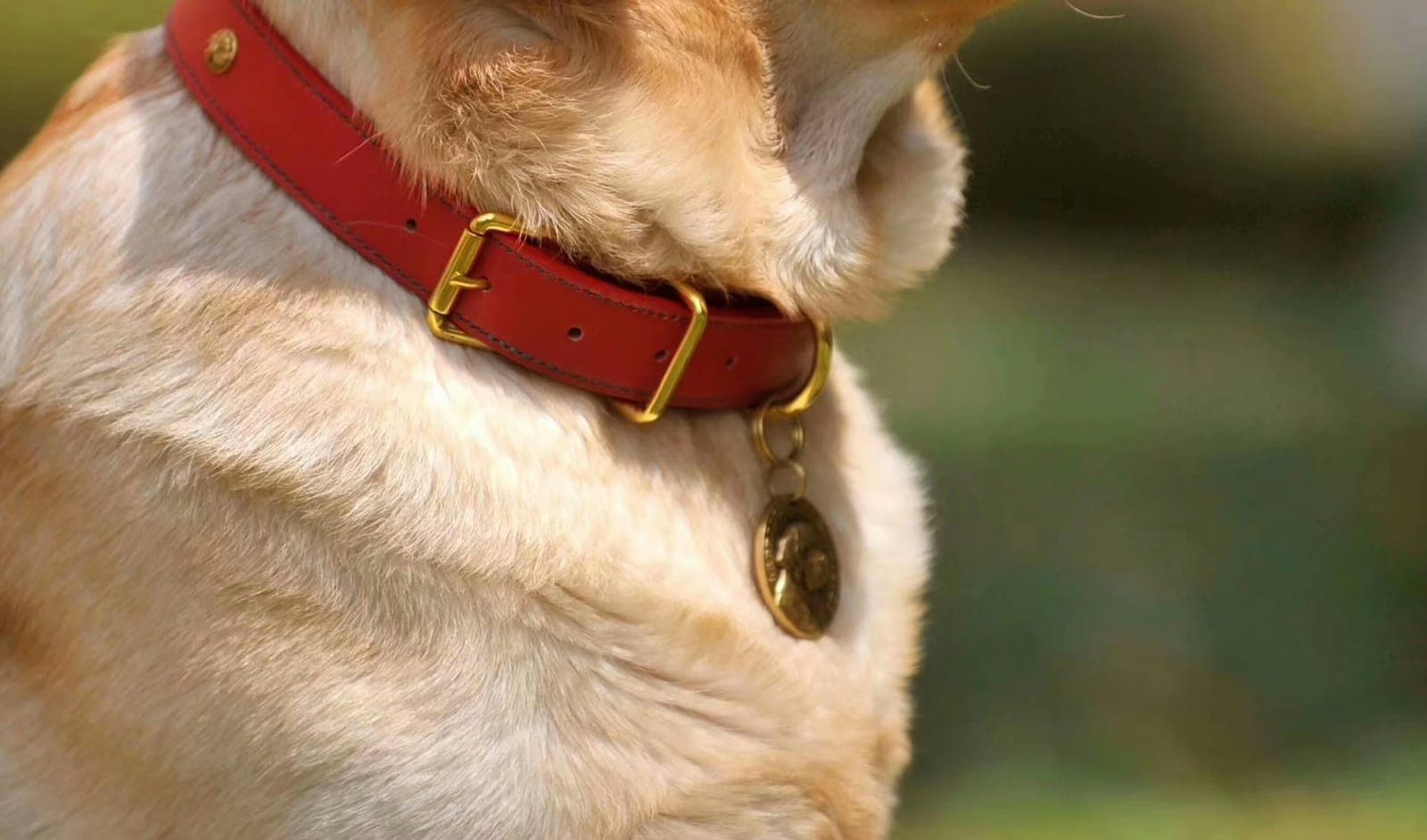
Check a collar tag only if the dog allows safe access. Contact the listed owner if there is a usable number. If the dog is frightened or resisting, stop handling them and ask a professional for help.
Tell the relevant local service where the dog was found and where they are now. Ask about collection, a microchip scan and suitable temporary arrangements. Keep the found location in the record even if the dog has already been moved.
The Dogs Trust found-dog guide recommends checking identification when safe and contacting the dog warden when an owner cannot be identified or approached through a tag.
In the United States: call local animal services
Contact the city or county animal control or animal services department, or the municipal shelter covering the location. Ask how to register the found dog and arrange scanning. If you reach a private rescue first, ask which authority handles found-dog reports there.
Best Friends Animal Society recommends filing a found-dog report and checking for a microchip. The local service can explain whether you may provide temporary care and what reporting, holding or ownership rules apply. Do not assume an online post replaces those steps.
Write down:
| Question | Detail to keep |
|---|---|
| Who is handling the case? | Service name and published phone number |
| Has it been recorded? | Found-report reference |
| What happens next? | Collection, appointment or other instruction |
| Who can arrange scanning? | Place and agreed time |
| What if the owner calls? | Contact or procedure to use |
| When should you follow up? | Date, time and responsible person |
Do not make your own adoption deadline. Ask the relevant authority what must happen before any permanent placement.
In the United Kingdom: contact the council
Contact the local council's dog warden or stray-dog service. In England and Wales, GOV.UK says to report a stray dog to the council if you cannot contact the owner. Its postcode finder covers England and Wales; in Scotland and Northern Ireland, use the relevant council's own website for its reporting and out-of-hours arrangements.
If you have taken the dog home temporarily, tell the service. Ask where the dog should go and how a microchip check will be handled. Do not assume a veterinary practice or rescue centre can accept a healthy stray dog without an arrangement.
For an injured dog, contact a vet promptly for guidance as well as the responsible local service. If you are interested in adopting, say so to the council and follow its process; finding the dog does not itself transfer ownership to you.
Make a useful found-dog notice
Check lost-pet reports for possible matches and create a found report if appropriate. Share it in relevant local groups. Include a clear photograph, the found area and time, and a contact method. Keep a few identifying details available to check privately with someone claiming ownership.
For example:
DOG FOUND — [town/area]
A [size/colour] dog was found near [landmark] on [date] at [time]. [Named service] has been contacted; reference [reference, if suitable for sharing]. Please contact [method] with earlier photos or identifying details if you believe this is your dog. Current update: [report link].
Do not publish a microchip number, someone else's documents or a private address where the dog is being kept. If the dog has gone to a shelter or council kennel, update the report so possible owners reach the right place.
Check ownership and arrange the reunion
Ask for evidence such as older photographs and veterinary records. Where a chip is present, let the scanning organisation help with the registered details. If claims conflict or you feel unsure, ask the responsible service to handle the handover.
Meet in an agreed safe place, involve a friend where useful and keep a phone with you. Dogs Trust provides practical handover safety advice. Avoid promising the dog to the first person who responds before the identification checks are resolved.
Finish the paperwork after the reunion
Tell the animal service or council that the dog has been returned and follow any instructions for closing the report. Update your original posts, remove notices and mark the Missing Pets report reunited in your reports.
If the animal you found is a cat, use the found-cat guide. An apparently healthy outdoor cat needs a different assessment from a loose dog.