In winter, organise the search around current local conditions, safe access and the pet's known needs. Do not rely on a generic “safe number of hours outside.” Cold, wet weather, wind, shelter, age and health can make one situation very different from another.
Continue the cat or dog search plan while adapting the practical work below. A weather concern is a reason to seek local help promptly, not to take unsafe shortcuts.
Record the conditions at the actual location
Check the current forecast and official warnings for the last-seen area. Conditions at home may differ from a hillside, wooded trail or exposed car park.
Add these items to the search log:
| Question | What it changes |
|---|---|
| Is rain, snow or strong wind affecting access? | Which checks are safe and who can perform them |
| Are paths, roads or entrances closed? | Which land manager or service to contact |
| When will daylight end? | Equipment and handover timing |
| Is the pet very young, older or medically vulnerable? | Information to give the vet and animal service |
| Are there verified recent sightings? | Where to focus the next safe check |
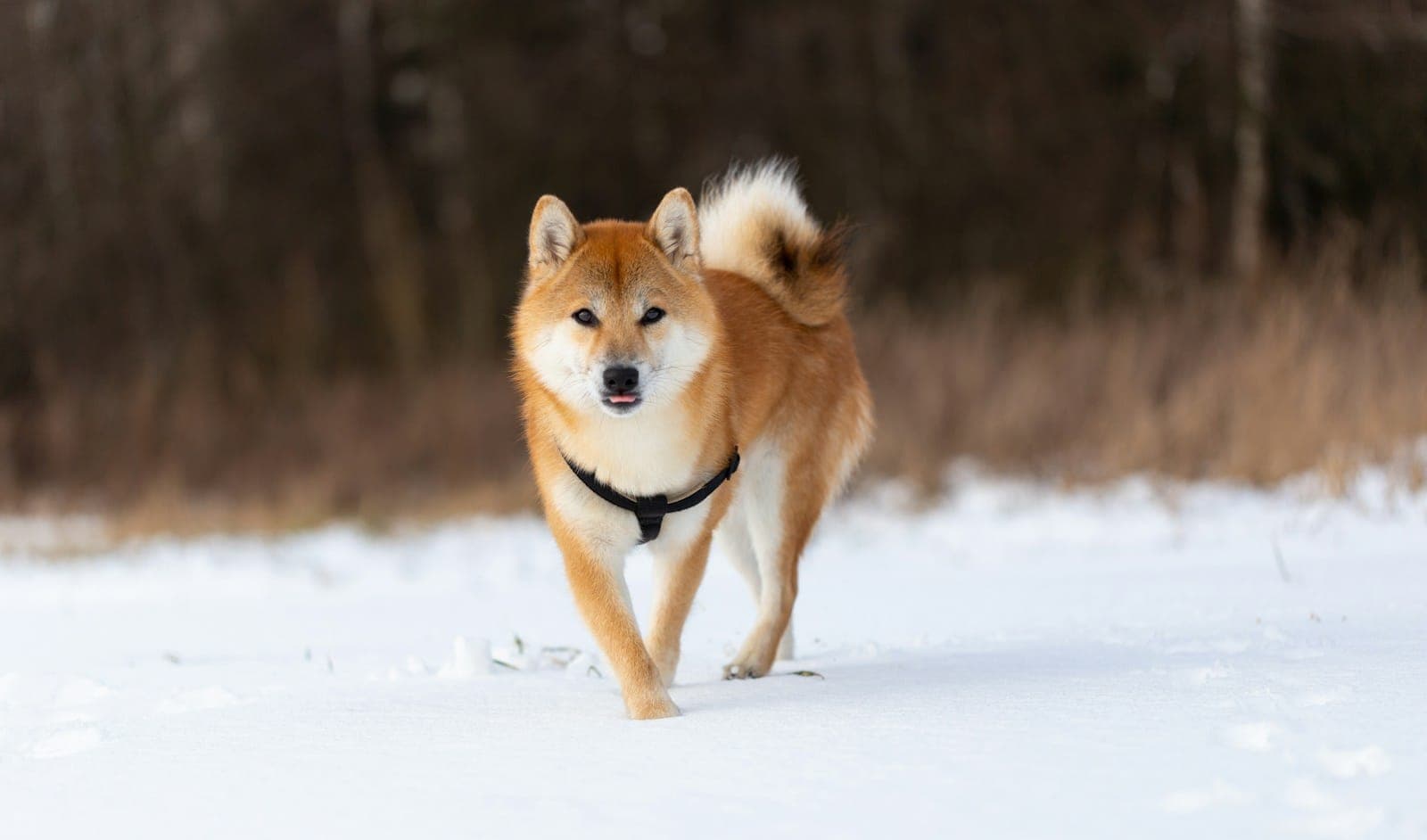
Record the observation time for photos or tracks. A print or disturbed snow is not enough on its own to identify your pet or its current location.
Ask for specific shelter checks
Contact neighbours and people responsible for nearby buildings. Ask them to inspect accessible sheds, garages, outbuildings or other enclosed spaces and report what they actually checked.
A useful request is: “Could you check inside the garage, including behind stored items, before closing it?” It is more precise than “Please keep an eye out.”
Ask permission before entering. Do not climb into machinery, unstable structures or inaccessible spaces. If an animal may be trapped, tell the relevant local service exactly where and why you believe it is there.
Give helpers manageable tasks
Prepare warm, suitable clothing, charged phones, lights and footwear appropriate to the route. Arrange a check-in and return time. Keep a coordinator reachable while others take breaks.
Separate field work from tasks someone can do indoors: monitoring official listings, calling clinics, answering messages and maintaining the log. This keeps useful work moving when conditions make outdoor checks unsafe.
The PDSA's winter-care guidance highlights cold-weather risks including hypothermia and paw problems. If you bring another animal with you, its own welfare and control still need attention; do not leave it exposed while the search takes longer than expected.
Do not enter ice, floodwater or traffic
A sighting on frozen water or beside a dangerous road needs the appropriate emergency or local response service. Do not walk onto ice, wade into floodwater or send volunteers onto a railway.
Give a precise location, describe the animal and explain whether you can still see it from a safe place. Follow the responding service's instructions.
A map may make a short route look easy while hiding a steep bank or water crossing. Check access before assigning it to a helper.
Prepare for recovery before it happens
Identify an available veterinary practice and its current out-of-hours arrangements. Have a secure carrier or appropriate transport ready, and keep the clinic's independently verified number accessible.
If you recover the pet and suspect hypothermia, contact a vet immediately. PDSA's hypothermia guidance describes signs such as shivering, drowsiness and collapse, and explains that the condition is an emergency. Follow veterinary instructions rather than improvising treatment or applying direct heat.
Tell the vet what you know about time outdoors, wet conditions, possible injury and any medical history. Say when information is uncertain.
Keep the next shift informed
Record safe areas checked, places still inaccessible, the latest verified sighting and pending calls. Recheck conditions before sending the next person out.
Update a public report with useful confirmed information and a working contact method. Avoid speculative survival predictions in appeals. The aim is to make the next actionable observation reach the right person quickly.