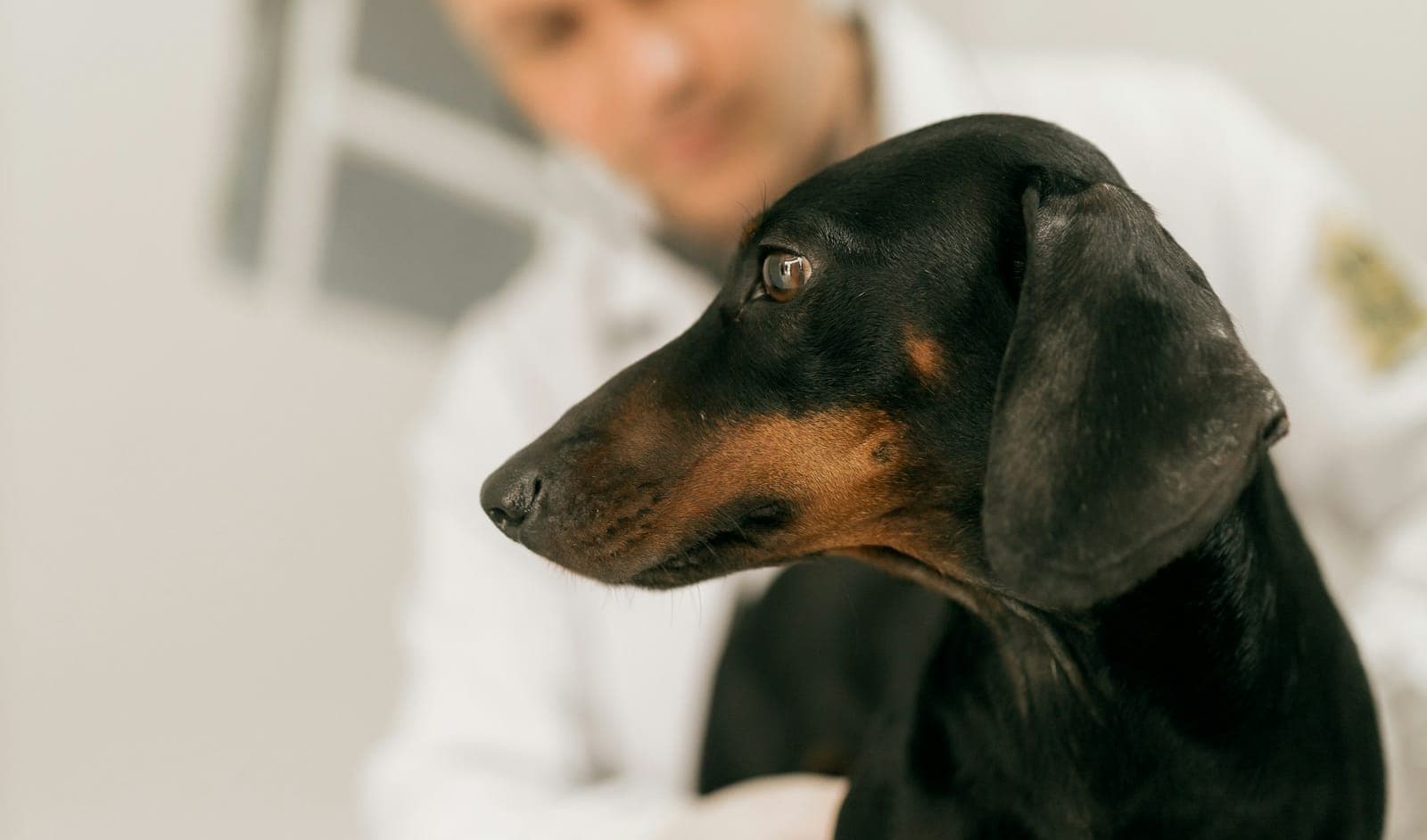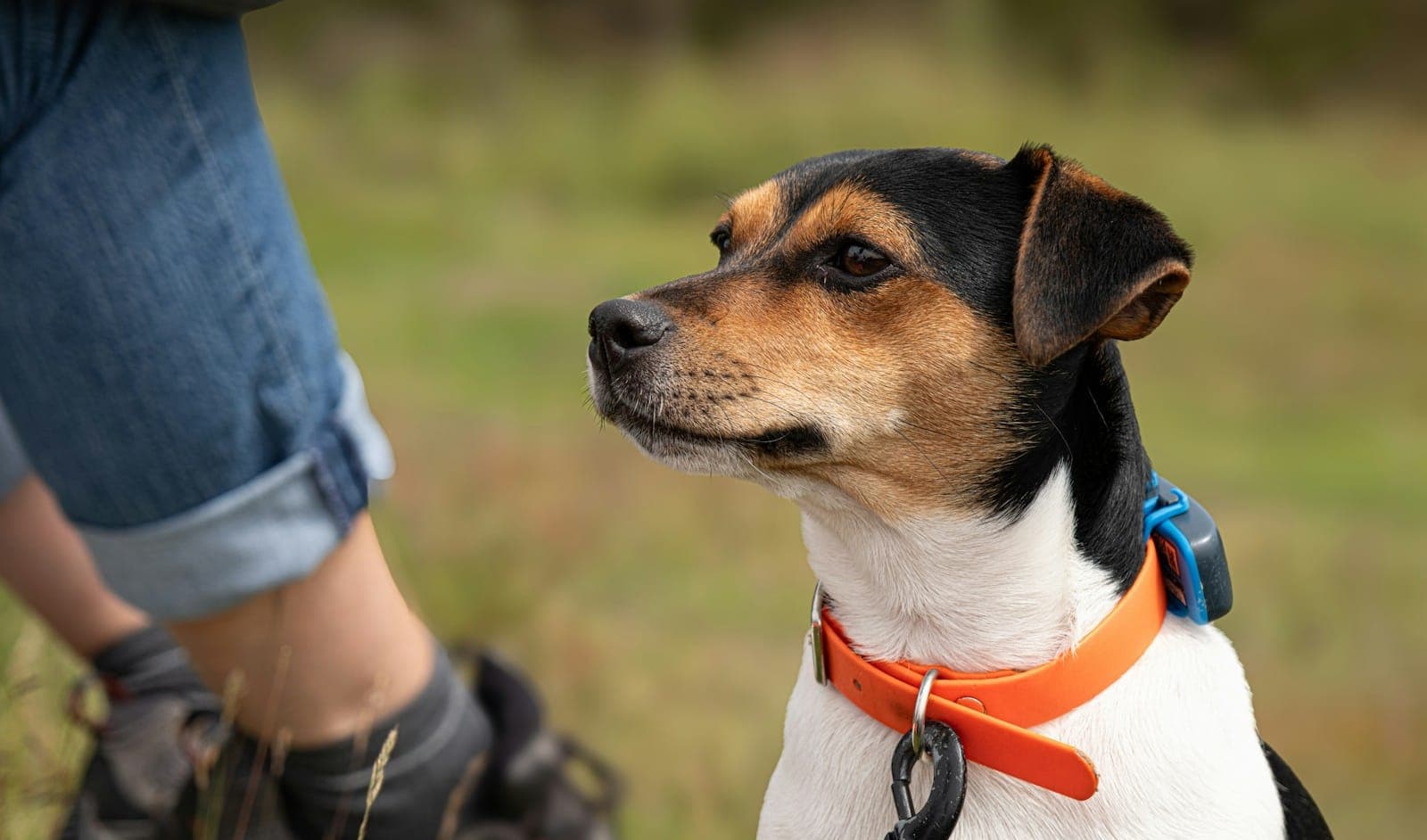
A pet microchip helps identify an animal after someone scans it. A GPS tracker can provide location information if the device and its communication service are working. A Bluetooth item tag uses a different system again. None makes an incomplete contact record or an unsafe gate irrelevant.
This guide explains the differences rather than ranking products. Capabilities, coverage and subscriptions vary by model and country.
A microchip is identification, not a map
An implanted identification chip carries a number that a compatible scanner can read. That number helps a veterinary practice, shelter or other appropriate service find the registration route.
The AVMA's microchipping FAQ explains that these chips are not GPS devices. They do not show the animal's movements on a phone.
The practical maintenance task is to check the registry and contact information. A chip can be present while the details needed to reach you are outdated.
A GPS device must locate itself and send the result
These are two separate jobs. A tracker may determine a position using satellite signals, then need a communication network to send that position to your app.
For example, Tractive describes its GPS-and-cellular process: satellite positioning provides the location and a built-in SIM uses mobile networks to transmit it. That is an example of one manufacturer's design, not a specification for every tracker.
Read the exact model's requirements for coverage, subscription, battery and compatible phone. A device marketed for one country may have different service arrangements elsewhere.
A Bluetooth item tag relies on nearby detection
Apple explains that AirTag broadcasts a Bluetooth signal that nearby devices in the Find My network can detect and relay. Its map display does not make it a GPS pet tracker.
This distinction matters in places with few compatible devices passing nearby. A location report depends on a detection and may describe where the tag was seen earlier. Apple presents AirTag as an item-finding device; do not assume it provides continuous animal tracking.
Compare the job and the limitation
| System | Useful job | What to check |
|---|---|---|
| Implanted microchip | Identification after scanning | Registration, accurate contacts and scan record |
| GPS pet tracker | Location information from an attached device | Model coverage, power, signal, service plan and update time |
| Bluetooth network tag | Location through nearby compatible devices | Detection opportunities, compatibility and age of last report |
| Visible identification tag | Direct contact details for a finder | Readability, current number and secure appropriate attachment |
An external device can become detached from the pet. A map position belongs to the device until you verify what is actually there.
Use this checklist before relying on a tracker
Check the manufacturer's current documentation for:
- Service coverage in your usual area and any travel destination.
- What happens when cellular service or satellite visibility is poor.
- Actual battery expectations under the mode you intend to use.
- Subscription renewal, cancellation and any country restrictions.
- Safe fit, size and attachment for your particular animal.
- Who can access the account and location data.
Ask your vet about a suitable attachment if you are unsure, especially for a small animal or a cat. Do not compromise safe collar design to keep a device attached.
Test the device during an ordinary, supervised outing. Confirm that you understand the app's timestamps and offline indicators before an emergency.
If the pet is missing and updates stop
Save the last position with its timestamp, battery information and device status. Tell helpers that it is a last report, not a confirmed current location.
Tractive's status guide lists several reasons for an offline device, including power and connection problems. A stopped update alone does not prove that someone removed the tracker.
Continue the physical search, local reporting and registry enquiries using the lost-and-found action guide. Technology can contribute a lead; someone still needs to assess it safely.