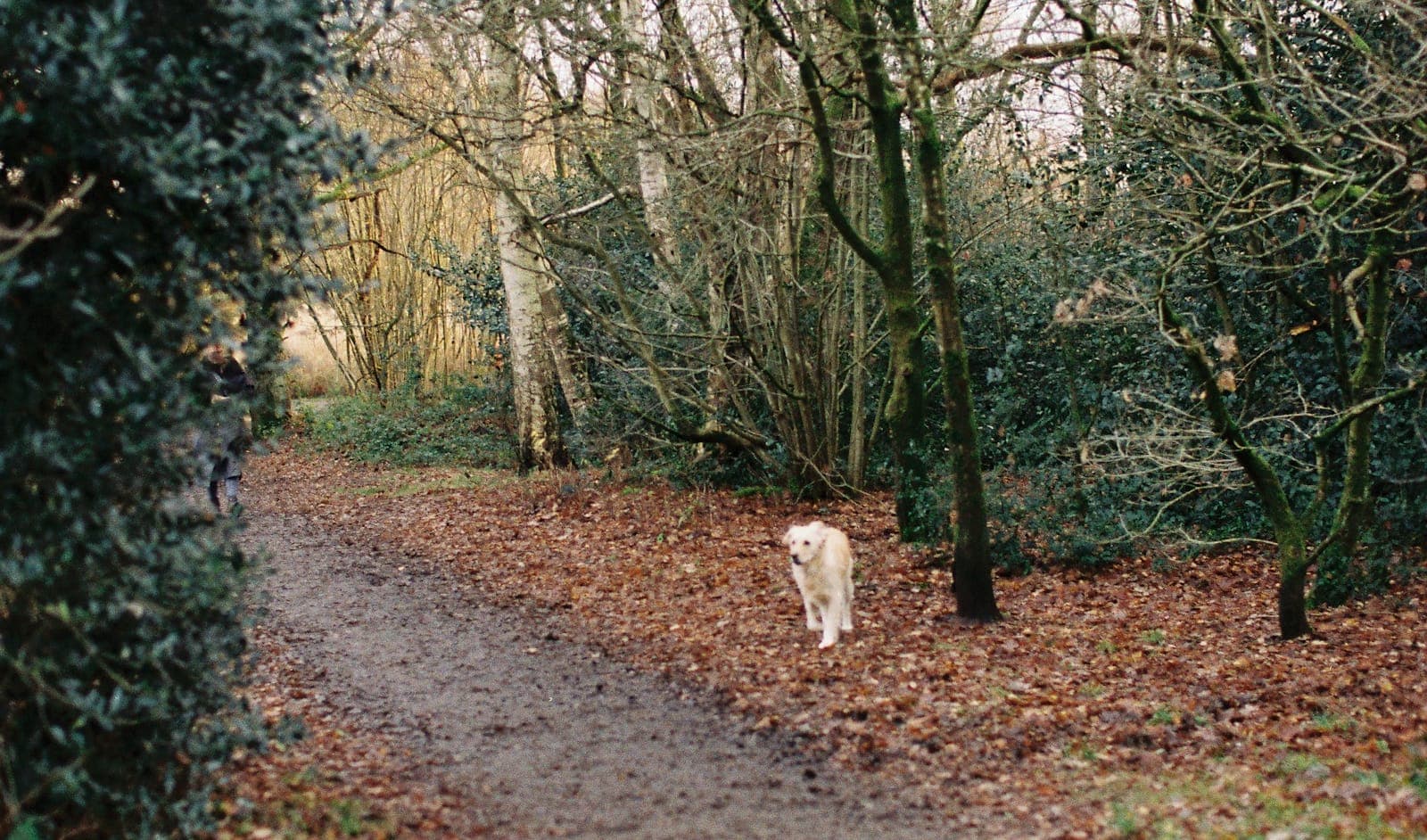
When a dog disappears on a walk, record the last confirmed sighting on the route, not just the name of the park. “North entrance, beside the second footbridge, about 10:20” gives helpers much more to work with than “lost in the woods.”
Use the steps below to organise information and access. For the wider shelter, microchip and public-appeal tasks, keep the main lost-dog plan open alongside it.
Mark two locations and two times
Record where you last saw the dog and where you were when you realised contact was lost. They may be different places. Save a map pin and a written description for each; a screenshot without a recognisable landmark can be difficult to use.
Distinguish:
- Last confirmed sighting: the time someone actually saw the dog.
- Search or report time: when you checked an area or received a message.
Add the route you had taken, your entry point and the vehicle location if relevant. These are search context, not evidence that the dog returned to the car.
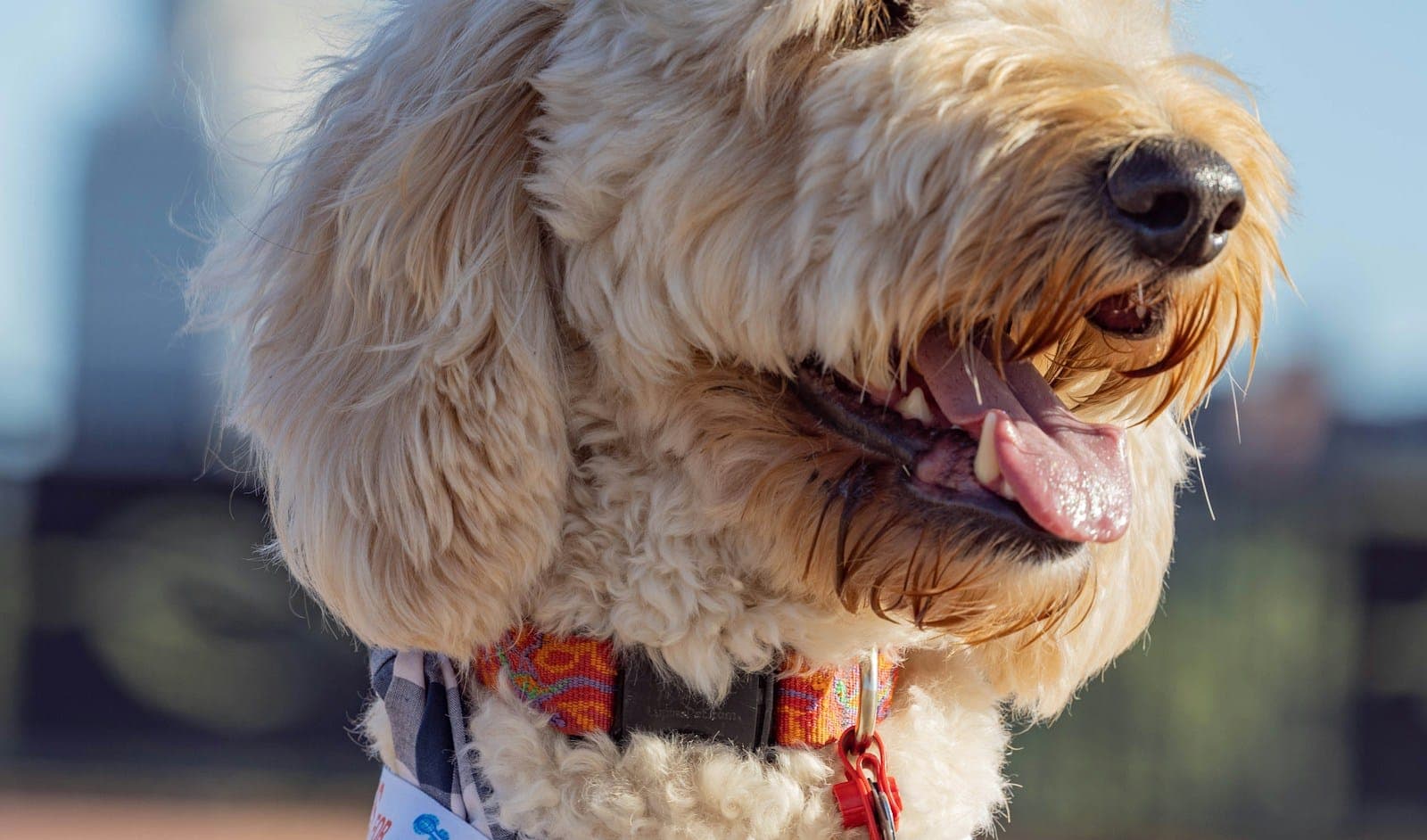
Write down what was attached to the dog, particularly a trailing lead or harness. Pass that information to anyone assessing a sighting.
Contact the person responsible for the land
Look for the park authority, ranger service, landowner or site manager. Ask about current closures, safe access, staff who may receive sightings and permission for notices.
In a US national park, use that park's official contact information. In the UK, the relevant contact might be a council park team, forestry manager, estate or national park visitor service. The name of the landscape alone does not identify the animal-control authority.
Suggested message:
My dog went missing at [specific point] at [time]. Here is a photo and description. Who should receive sightings, which areas are unsafe or closed, and where may we leave a notice? Please contact [coordinator] if staff or visitors report the dog.
Do not assume a ranger team runs a pet-recovery service. Ask what help it can actually provide.
Keep helpers on a workable route plan
The US National Park Service's hiking guidance stresses route preparation, suitable supplies, conditions and personal limits. Those considerations still apply when a search feels urgent.
Assign bounded tasks rather than “search the whole wood”:
If a loose dog is avoiding people, do not turn a walk-through into a group sweep. The Missing Animal Response Network warns that people converging on wooded sightings can drive a frightened dog away. Ask an experienced recovery team to guide the approach; helpers can gather observations and speak to site staff while that is arranged.
| Task | Person | Access confirmed | Check-in time | Result |
|---|---|---|---|---|
| Ask staff at north entrance | Name | Public opening hours | Time | Notes |
| Walk permitted path between two landmarks | Names | Yes / pending | Time | Notes |
| Contact animal services | Name | Phone / online | Time | Reference |
Carry a charged phone, appropriate clothing, water and a way to navigate. Tell someone the route and return time. A pair of people on an accessible path can record a useful check; an unplanned off-trail scramble can create another emergency.
Stay out of railways, fast water, unstable ground and restricted sites. Give dangerous-location reports to the responsible service.
Turn sightings into evidence
Ask the witness where they were standing, where the dog was, the time, direction and what made them think it was your dog. Request a photo only if it can be taken safely.
Do not move every helper towards an uncertain message. First establish whether it is a direct observation, a forwarded post or an old sighting. Keep separate labels: confirmed match, possible match, checked and excluded.
If the dog is visible but avoiding people, do not organise a chase. Seek guidance from the local animal service or an experienced recovery group about the specific situation.
Make the search visible outside the trail
A finder may take the dog to a shelter or veterinary practice without knowing about the trail search. Contact the agencies covering the last-seen location using the US reporting guide or UK reporting guide.
With permission, place a clear poster at relevant entrances or nearby businesses. Keep one current report link and one coordinator contact across notices.
Leave a useful handover
Before a searcher leaves, record the exact path checked, the time and what could not be accessed. “Nothing found” without a route or time is difficult for the next person to use.
Tell the coordinator about any new observation before leaving the area. Rest, replacement batteries and reliable communications are practical parts of sustaining a search. Review new evidence before deciding the next route; a growing collection of walked miles is not, by itself, a search plan.